Written by
Baptiste Doisneau
When design reshapes the contours of accessibility
Accessibility has never been more desirable than with Materia Adapt, a brand that proves design can make difference invisible. Between aesthetics and functionality, it reinvents everyday objects so they fit naturally into our lives, without ever sacrificing elegance.
There are brands that are content to sell products, and others that seek to change the way we see the world. Materia Adapt is part of this second category, with an ambition as discreet as it is bold: to prove that accessibility can go hand in hand with elegance, and that objects designed to make everyday life easier for people with disabilities deserve better than the anonymity of medical catalogs. Their story begins where many see a limit: in the idea that function and aesthetics should never exclude one another, especially when it comes to equipment that accompanies entire lives.
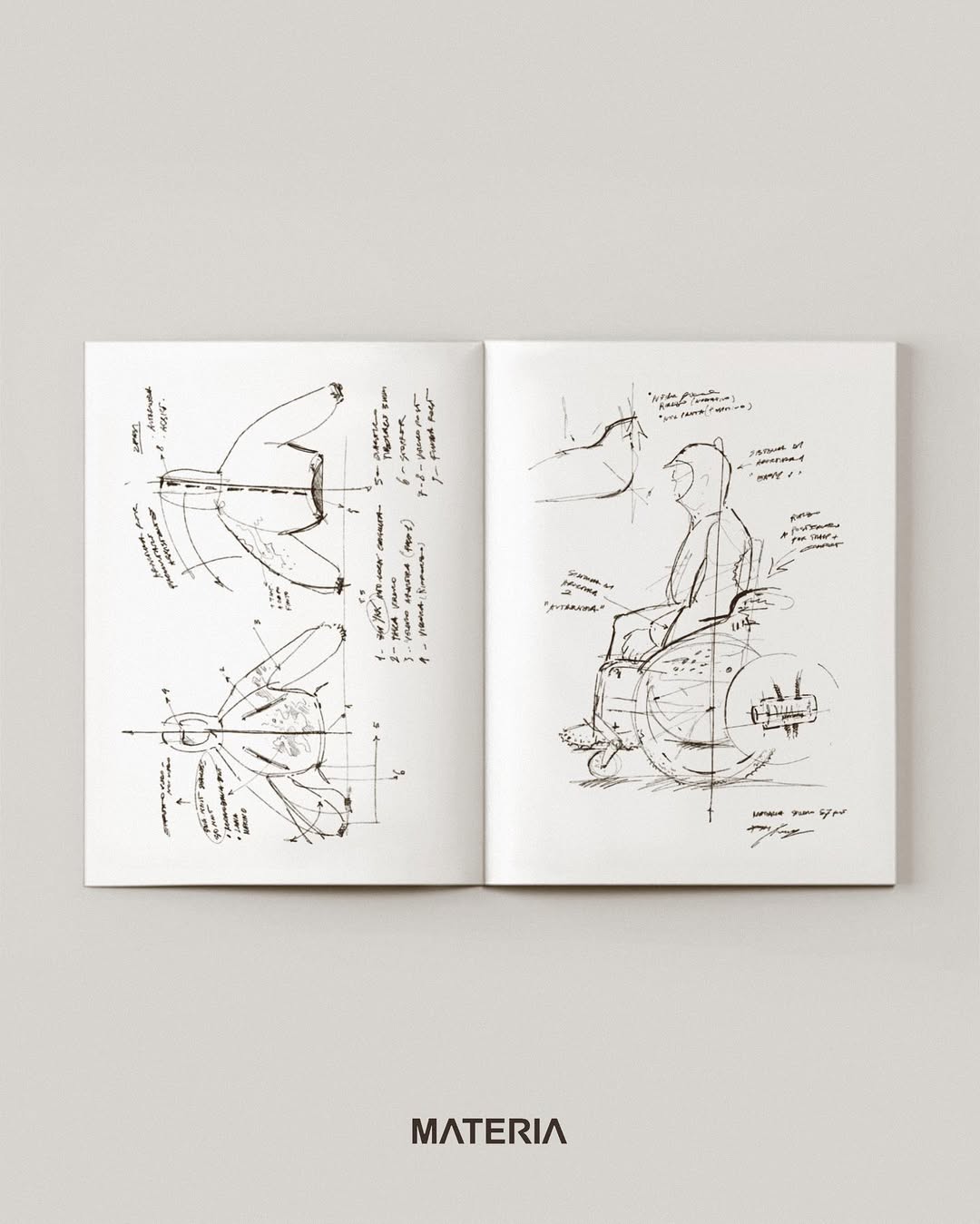
The Materia Adapt adventure was born from a meeting between designers, occupational therapists, and users, all convinced that disability should not be an obstacle to beauty. Their approach rests on a simple principle: if an object is designed to blend harmoniously into an interior, it will not only be more pleasant to use, but also more readily accepted. That is how they imagined wheelchairs with clean lines, hospital beds that look like designer furniture, or mobility aids that could just as well appear in the pages of a decorating magazine. Their credo? That every detail matters, from the materials chosen to the finishes, including the way these objects interact with their surroundings.
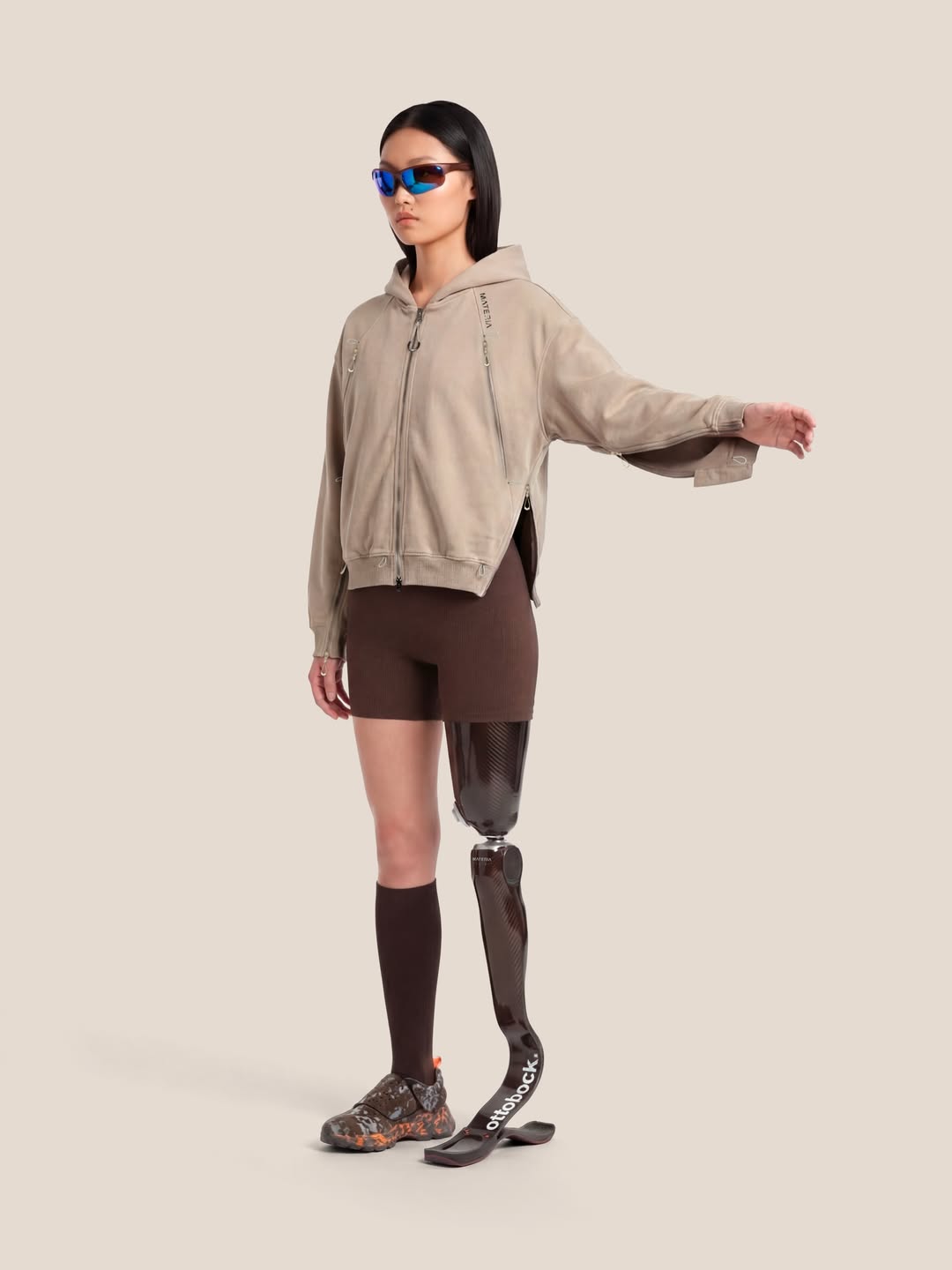

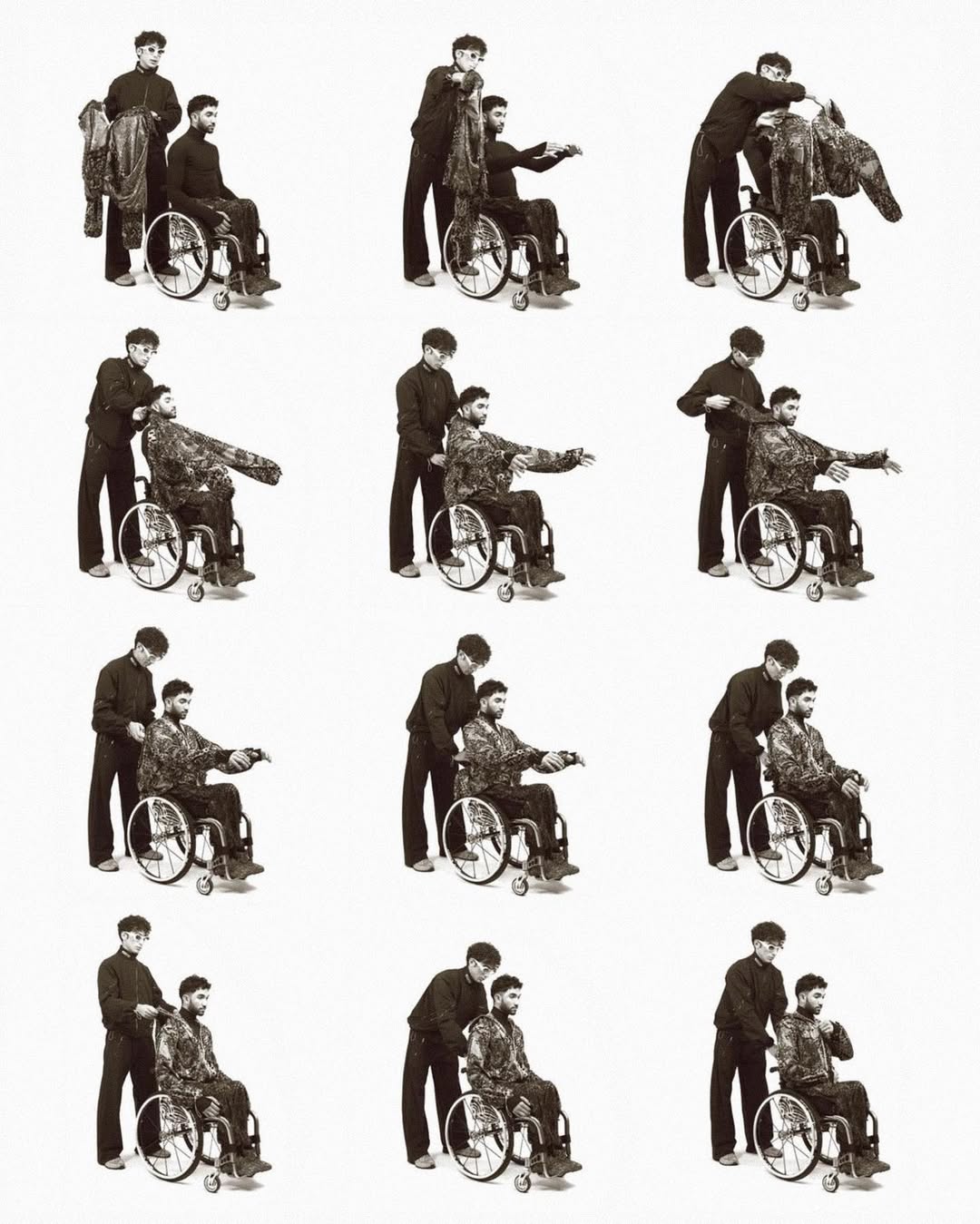
But Materia Adapt does more than simply rethink the look of adapted equipment. The brand goes further by incorporating a human and inclusive dimension into its approach. Their products are designed in close collaboration with those who use them every day, because who better than them can know what really works? This attentive listening results in tailor-made solutions, where every curve, every mechanism, every texture is studied to meet specific needs, without ever sacrificing comfort or aesthetics. Their world, which they describe as a blend of "warm minimalism" and "intuitive functionality," reflects this desire to create objects that are not merely useful, but become everyday companions.
Behind this philosophy lies a broader vision: that of a society where accessibility would no longer be a question of standards or constraints, but a given, an integral part of our environment. Materia Adapt does more than sell products; it advocates for a paradigm shift, where disability would no longer be seen as an exception, but as a natural facet of human diversity. Their values: respect, innovation, collaboration, and transparency, are not just words, but concrete commitments, visible in every stage of their creative process, from design to manufacturing.
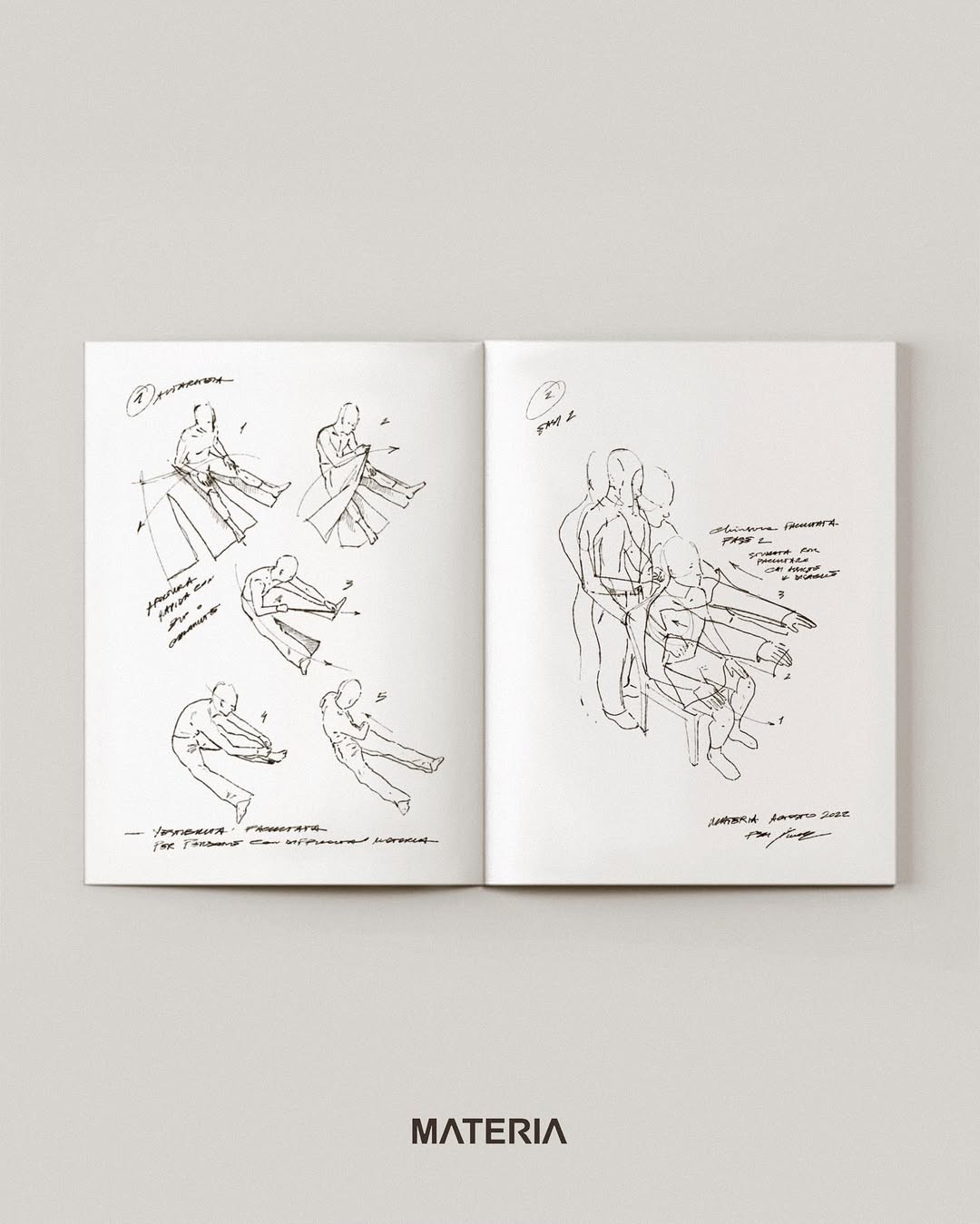
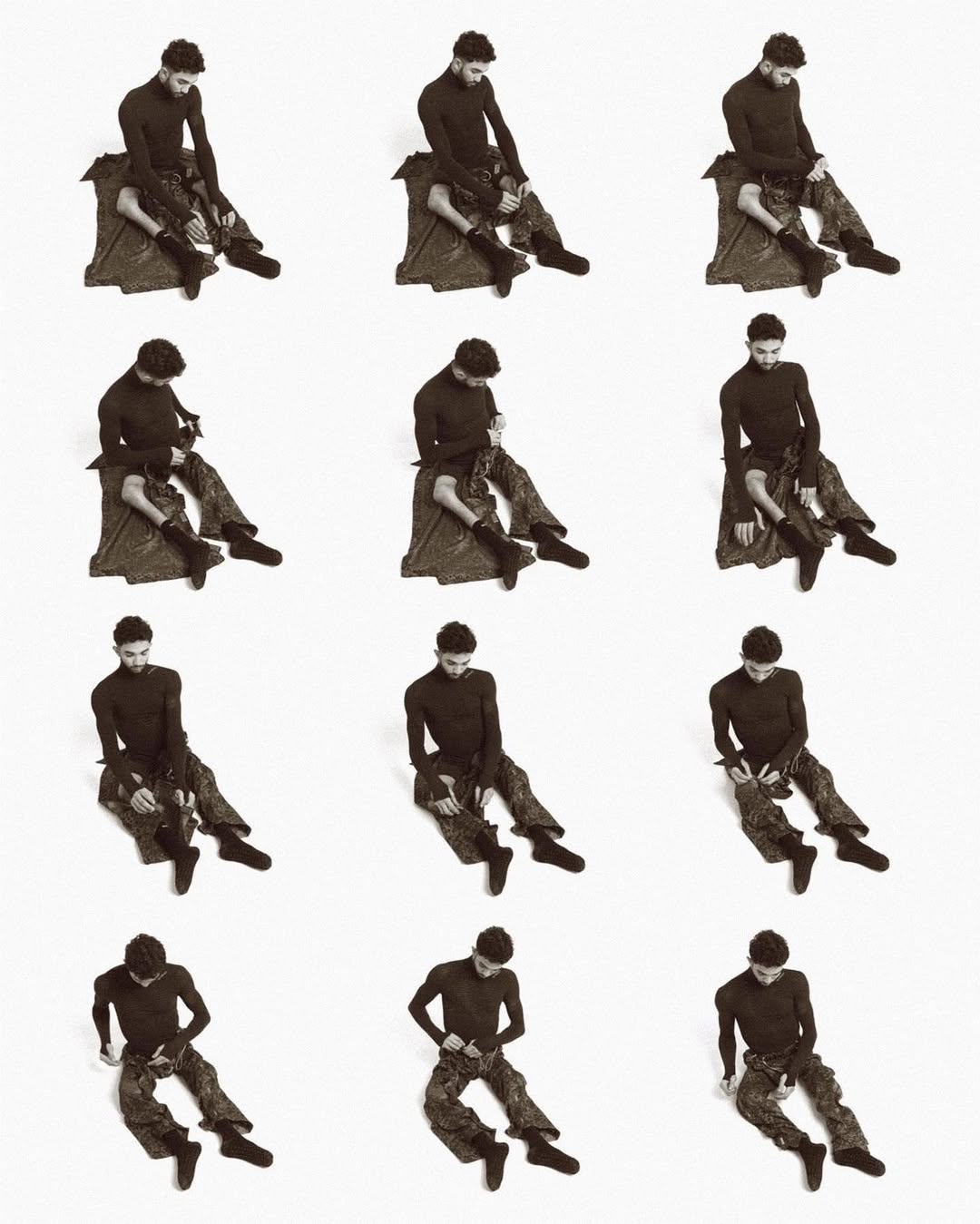
Their approach has, moreover, appealed well beyond specialized circles. In just a few years, Materia Adapt has carved out a place in the contemporary design landscape, proving that accessibility can be a source of inspiration, not a constraint. Their collaborations with architects, designers, and artists show that their vision goes beyond the strict medical framework to take part in a broader reflection on housing, autonomy, and quality of life. And perhaps that is where their greatest strength lies: having succeeded in turning a subject often relegated to the margins into a central conversation, where the beautiful and the useful are no longer opposites, but two sides of the same coin.


By observing their creations, we understand that Materia Adapt does not simply respond to a market. It redefines the contours of what it means to "live with a disability," showing that autonomy can be synonymous with freedom, and that design, when well thought out, can become a tool of empowerment. Their work reminds us that innovation is measured not only by technology, but also by the ability to make the world more welcoming, more human. And that is surely why their products, far beyond their primary function, tell a story: that of a brand that chose to see disability not as a limitation, but as an opportunity to rethink our relationship to everyday life, to space, and to others.