Written by
Baptiste Doisneau
Plasticproduct: clothing as resistance
In a fashion landscape obsessed with technical performance, the Korean studio Plasticproduct takes the opposite approach. Founded by Mincheol Seo, the collective reinvents workwear no longer as protection against the elements, but as a tool for mental stability. A discreet, almost silent textile proposition, almost silent, yet deeply subversive.
In a fashion landscape where technical performance often takes precedence over meaning, the Korean studio Plasticproduct offers a radically different approach to clothing. Founded by Mincheol Seo, this collective does not design pieces to withstand the elements, but to stabilize the mind in a world saturated with stimuli. Through garments such as the MPa Neck Pillow Jacket and pieces from the Protection Series, Plasticproduct reinvents textiles as a tool of psychological resistance, where function is no longer a matter of physical protection, but of mental support.
From traditional workwear to cognitive clothing
The history of workwear is the history of protecting the body: thick fabrics to withstand wear, reinforced pockets for tools, ergonomic cuts to facilitate movement. But today, the dangers have changed. Modern work environments threaten the mind more than the body: information overload, constant pressure, loss of reference points. "The greatest obstacle to productivity is no longer the physical environment, but the instability of our cognitive state," explains Seo.
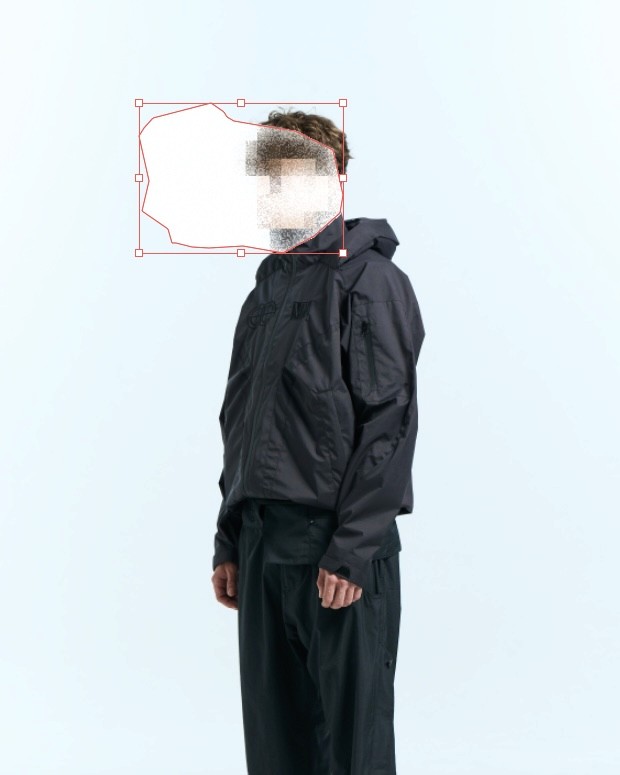
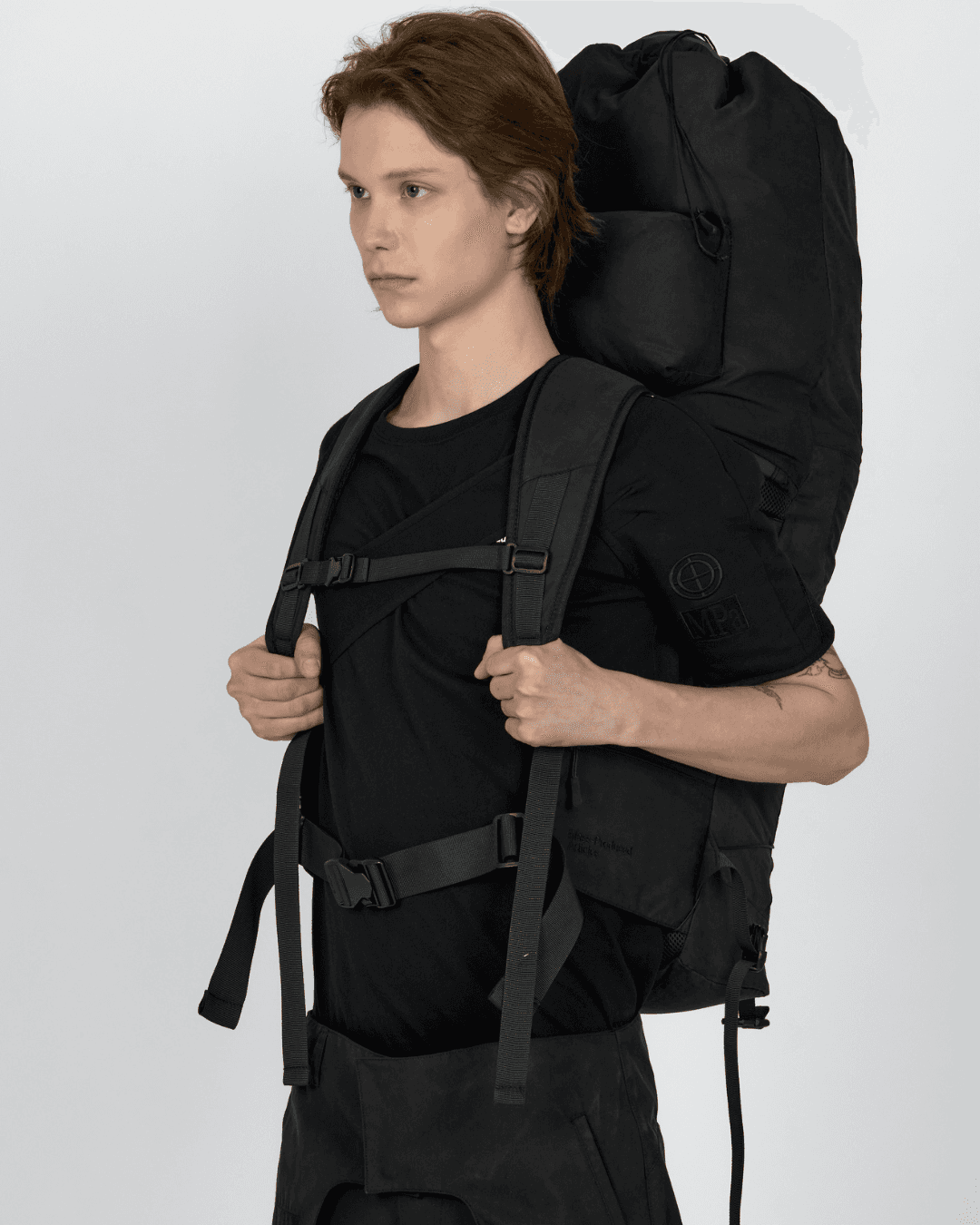
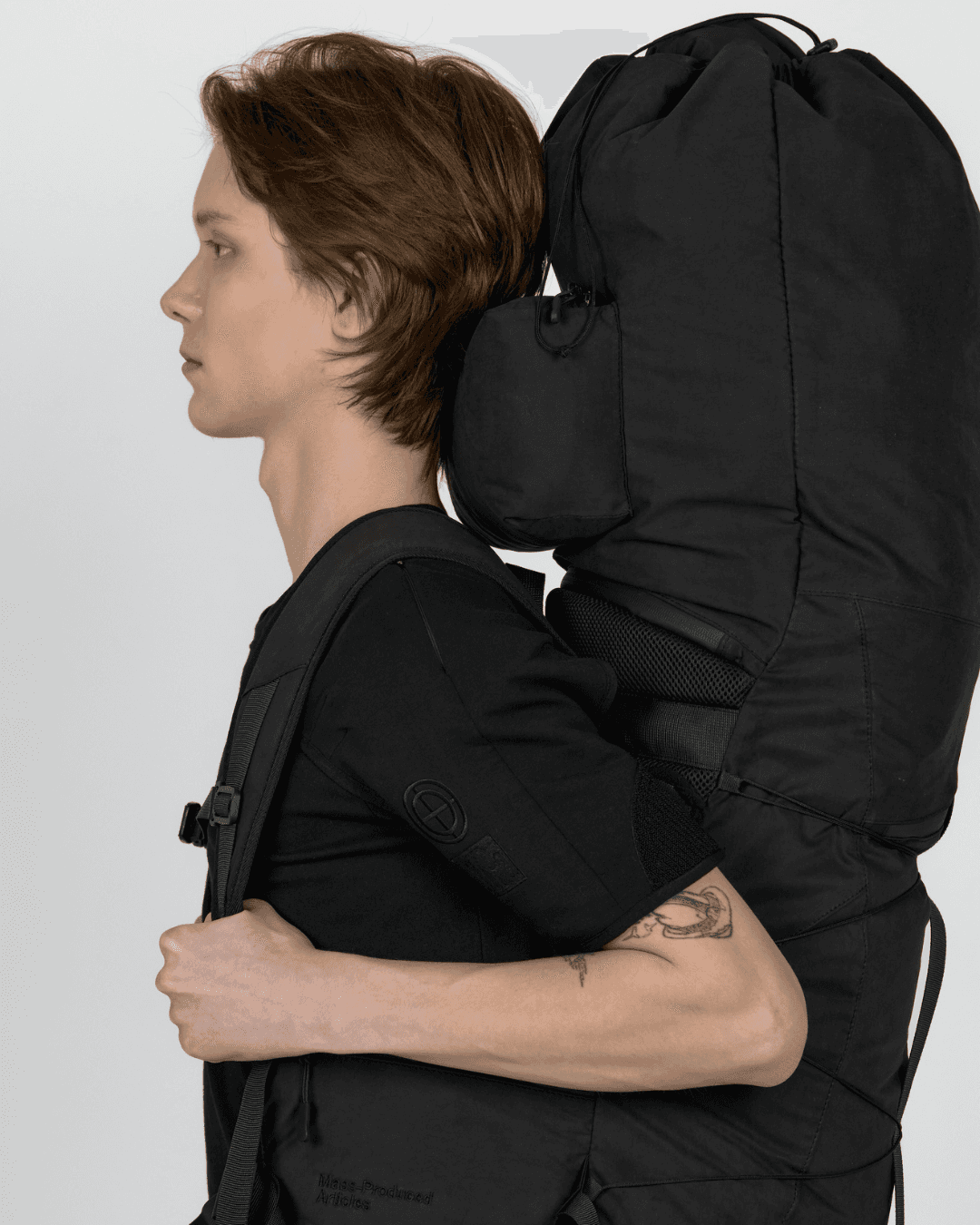
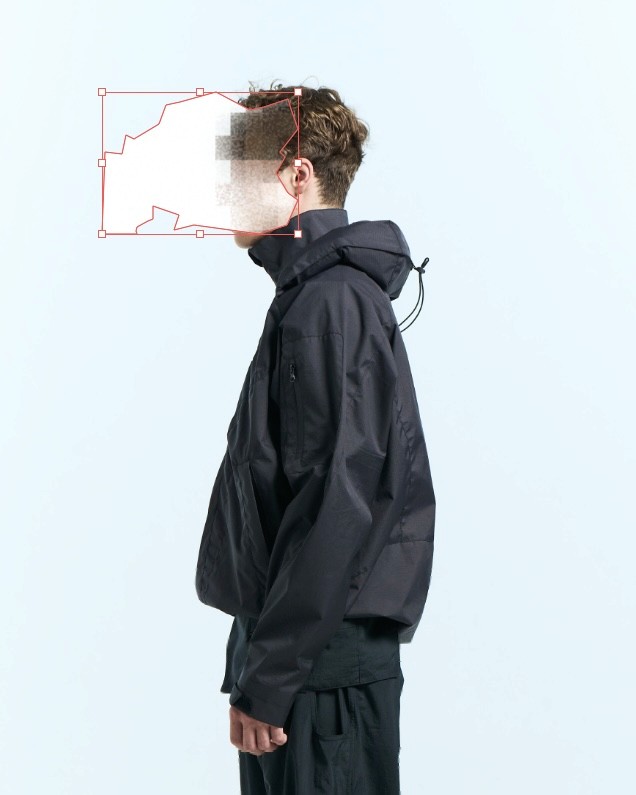
It is this intuition that guides the MPa Protection Series, a collection in which textiles become a device for emotional regulation. The Neck Pillow Jacket, for example, incorporates a removable pillow into a technical jacket. At first glance, the object seems absurd: why wear a pillow while on the move? Yet its usefulness does not lie in practicality, but in its ability to create micro-moments of respite. "It is not a garment for sleeping standing up, but for allowing yourself a pause," Seo clarifies. "A way of saying: what if function were only a pretext for learning to breathe again?".
MPa: the archive of mass-produced objects
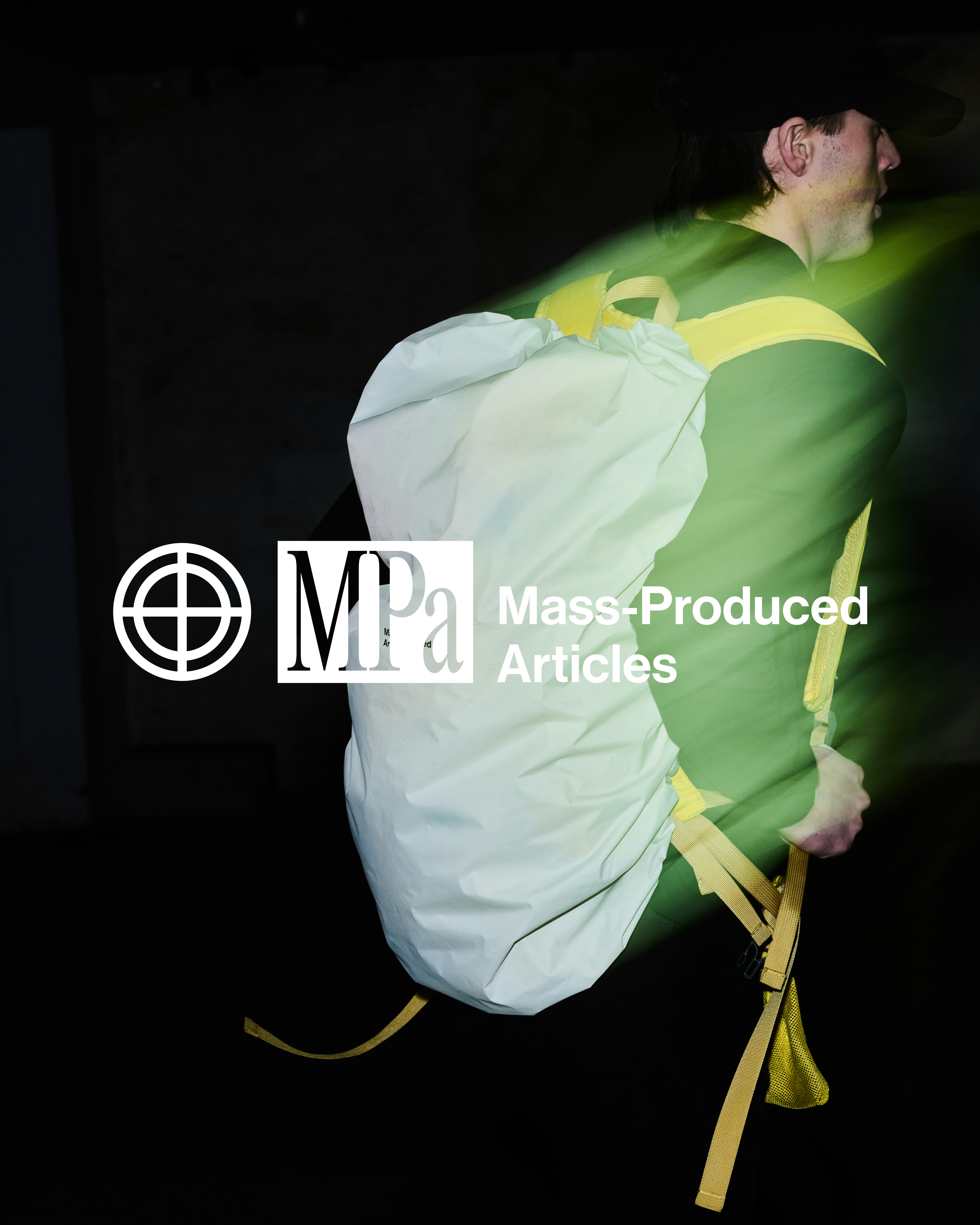
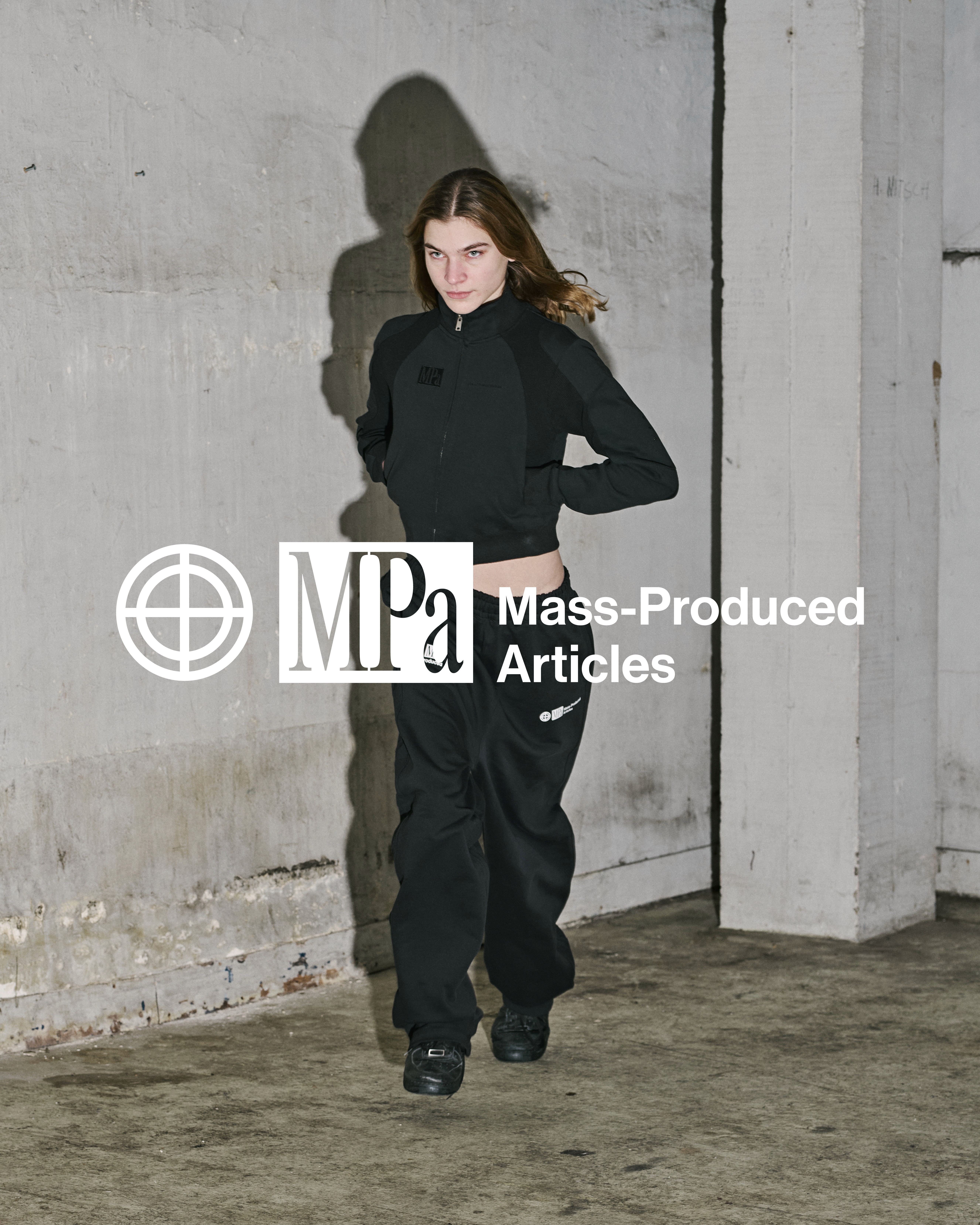
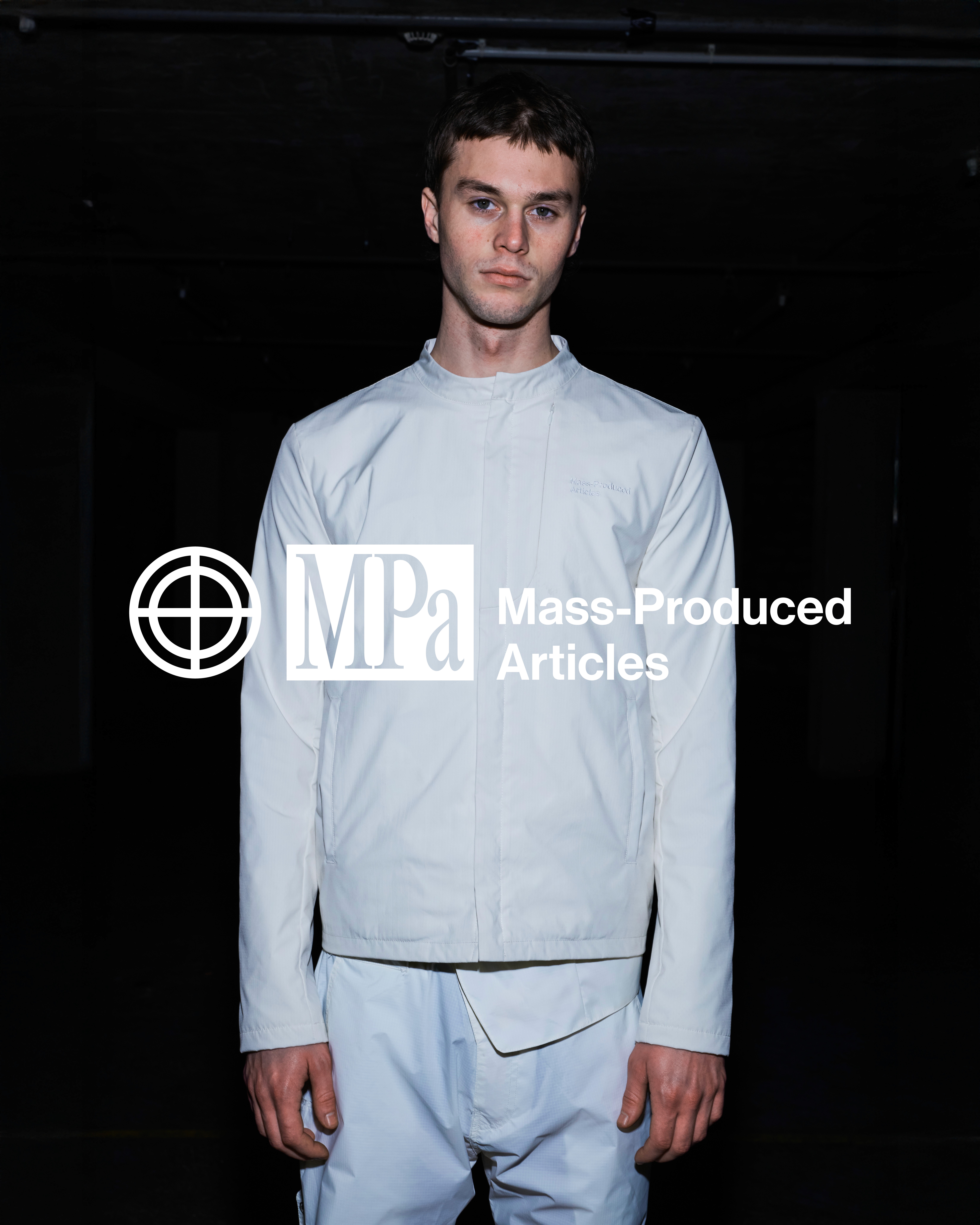
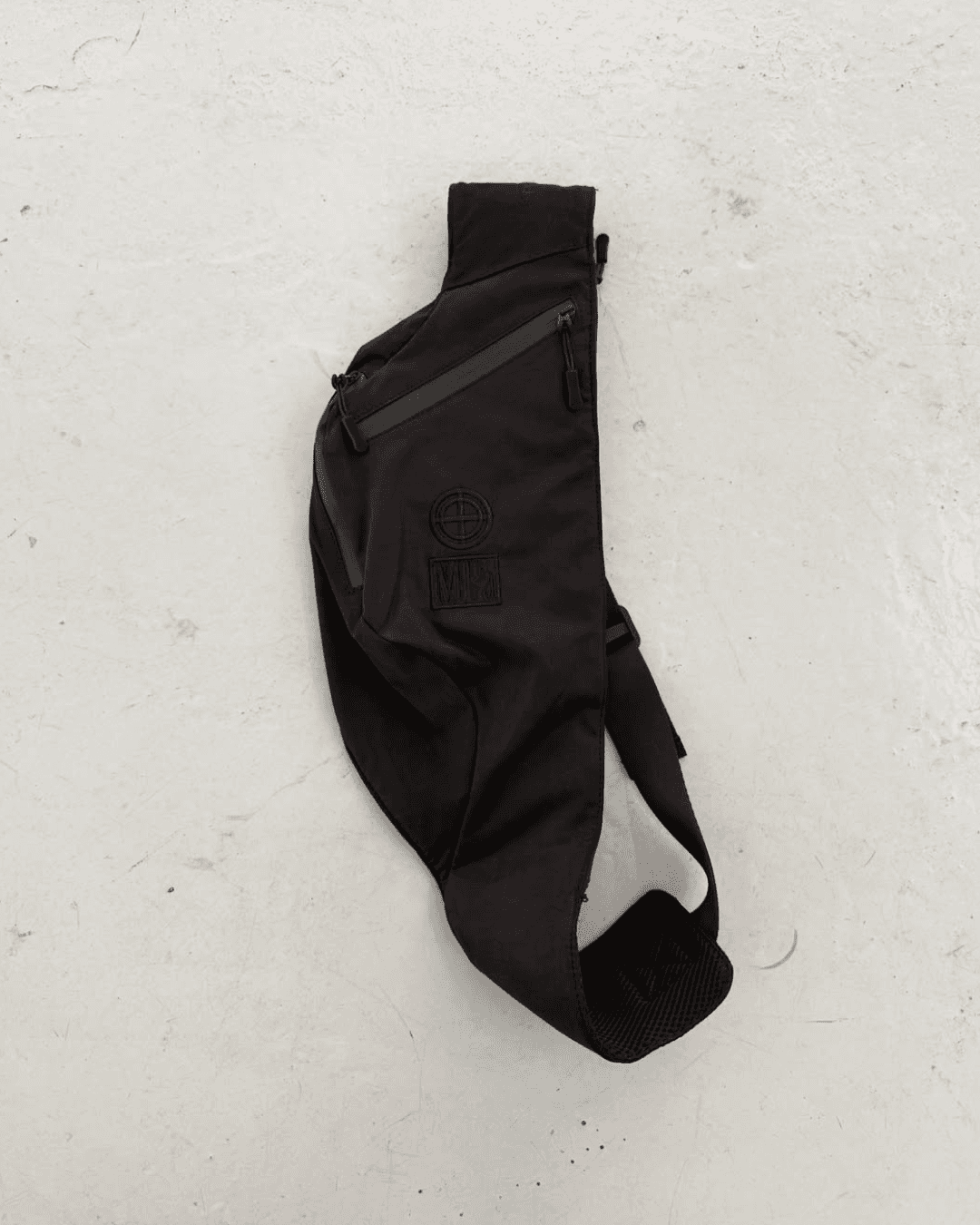
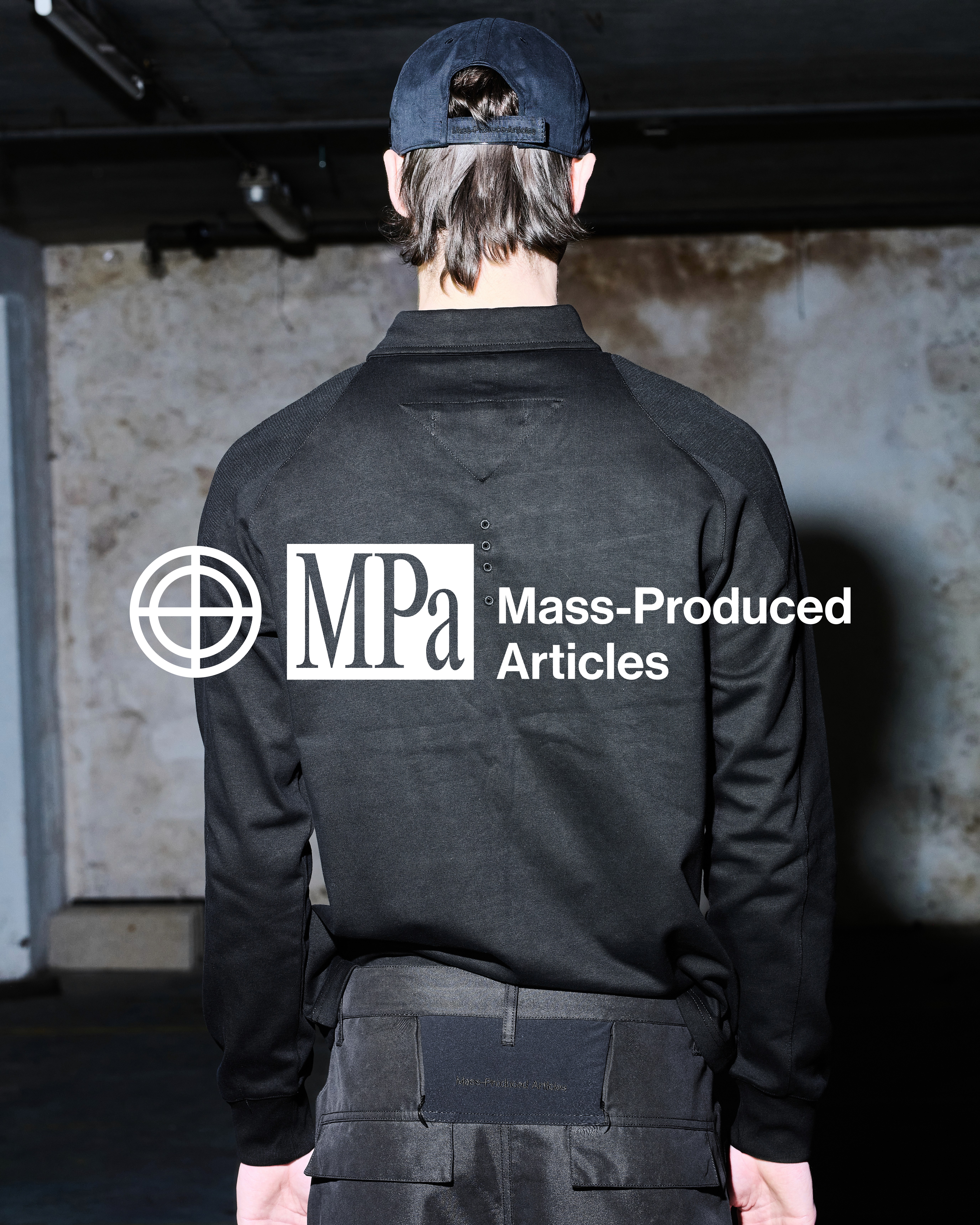
Under the aegis of PLASTICPRODUCT and its secondary label Mass-Produced Articles (@mass_produced_articles), abbreviated as MPa, the studio explores everyday objects through a novel lens. MPa does not just produce clothing: it archives the inefficiencies of repetitive gestures and ubiquitous plastic materials, transforming these "mass-produced articles" into tools for controlling speed (Speed Control). This approach, visible in the MPa Protection Series or the Neck Pillow Jacket, questions the frenetic pace of the world by rehabilitating slowness as an aesthetic and functional form of resistance.
The Neck Pillow Jacket: a garment that refuses to be useful
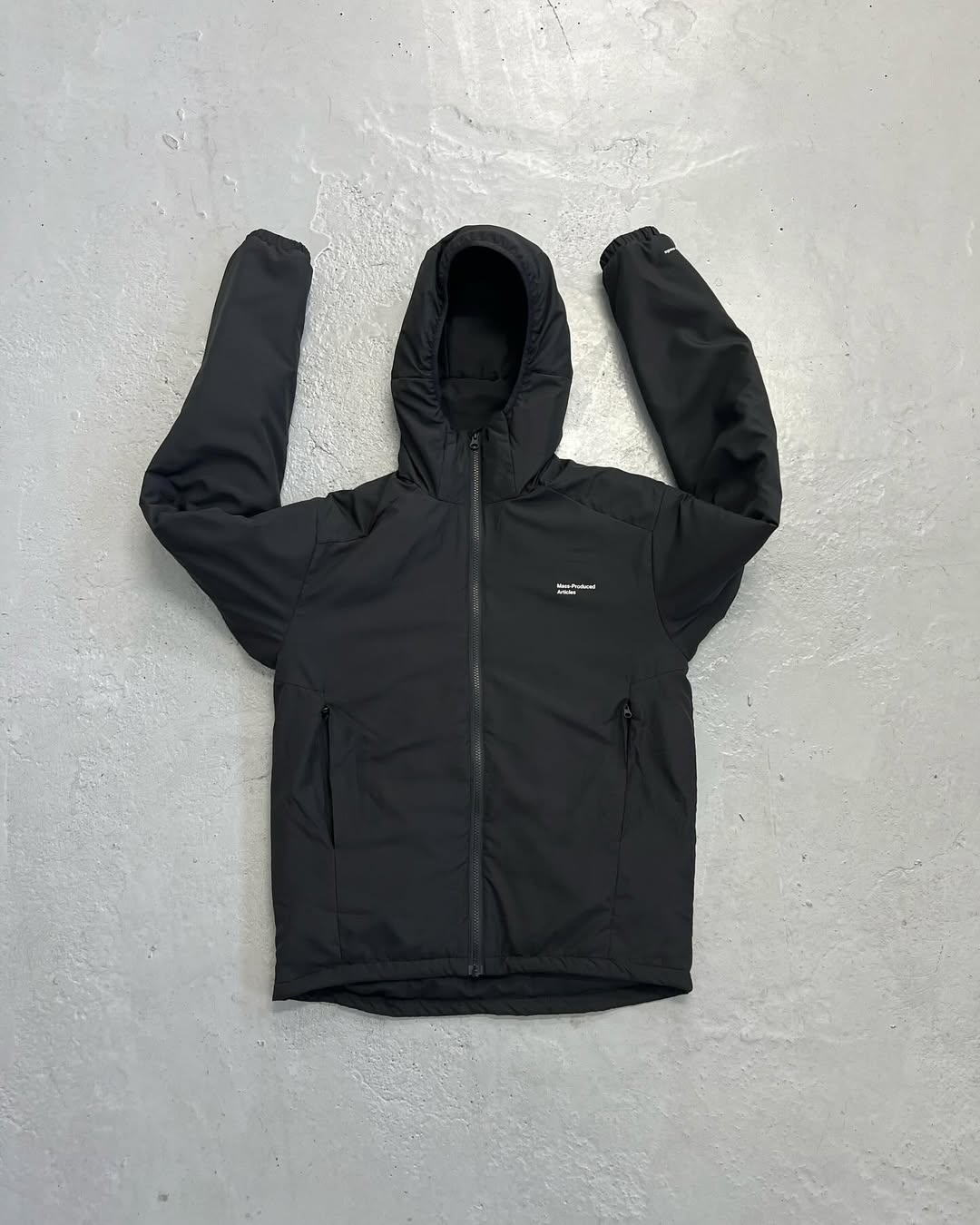
The Neck Pillow Jacket perfectly embodies this philosophy. Technically, it could be described as "functional": it protects against the cold, its pockets are practical, and its built-in pillow offers neck support. Yet it does not meet any real need. No one asks for a built-in pillow in a jacket, and its use remains marginal in everyday life. "It exists in a state that seems functional, but cannot be justified as such", explains Seo.
It is precisely this embraced uselessness that makes it a fascinating piece. By subverting the codes of technical clothing: durable materials, industrial details, outdoor aesthetic, Plasticproduct creates a tension between expectation and reality. The wearer expects a high-performing object, but instead is faced with something deliberately imperfect. "When uselessness becomes aesthetic, familiarity and strangeness coexist", Seo points out. "It is in this space that a new form of sensitivity emerges."
This approach ties into a broader reflection on contemporary fashion. In a world where clothing is often reduced to its immediate utility (breathable, anti-sweat, connected), Plasticproduct offers an alternative: pieces that resist hyper-functionality, that introduce slowness, ambiguity, even frustration. "Fashion is not about 'better,' but about 'different'", Seo asserts. "What matters is not that the garment works, but that it makes us think about the way we live."
Textiles as a Micro-Recovery Device
In a work environment marked by cognitive fatigue, the Neck Pillow Jacket acts as a micro-recovery tool. Its integrated pillow is not designed for prolonged use, but to provide occasional support: leaning against a wall, a break between two meetings, a moment of relaxation on public transit. "It is a garment that recognizes that productivity is not a matter of time spent working, but of the quality of attention," explains Seo.
This idea of micro-recovery is central to Plasticproduct's approach. The studio does not seek to revolutionize workwear, but to adapt it to modern psychological realities. "Breaks are not a waste of time, but necessary moments to recharge the mind," Seo emphasizes. "A garment can be a physical reminder of that necessity."
An Aesthetic of Useful Collapse
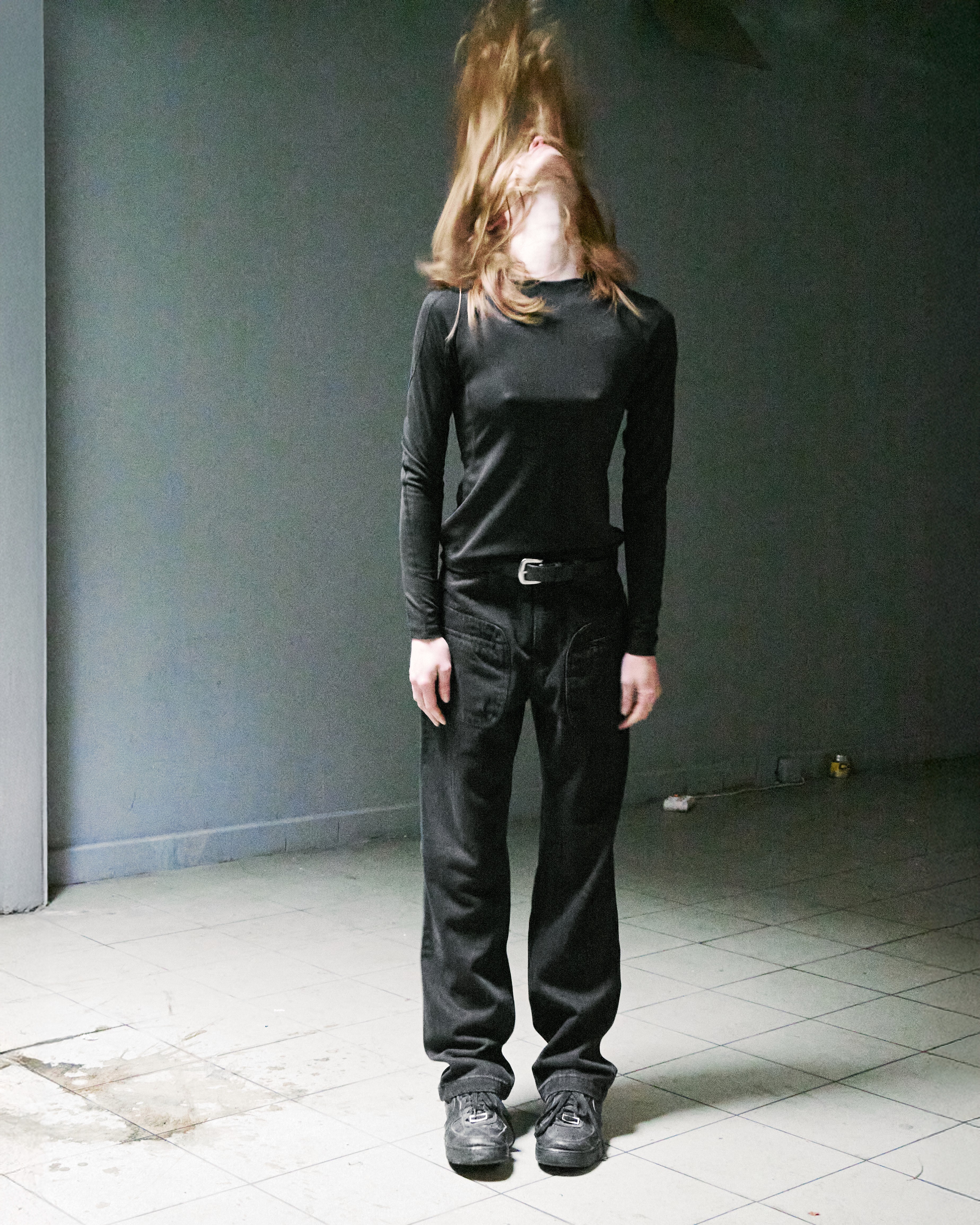
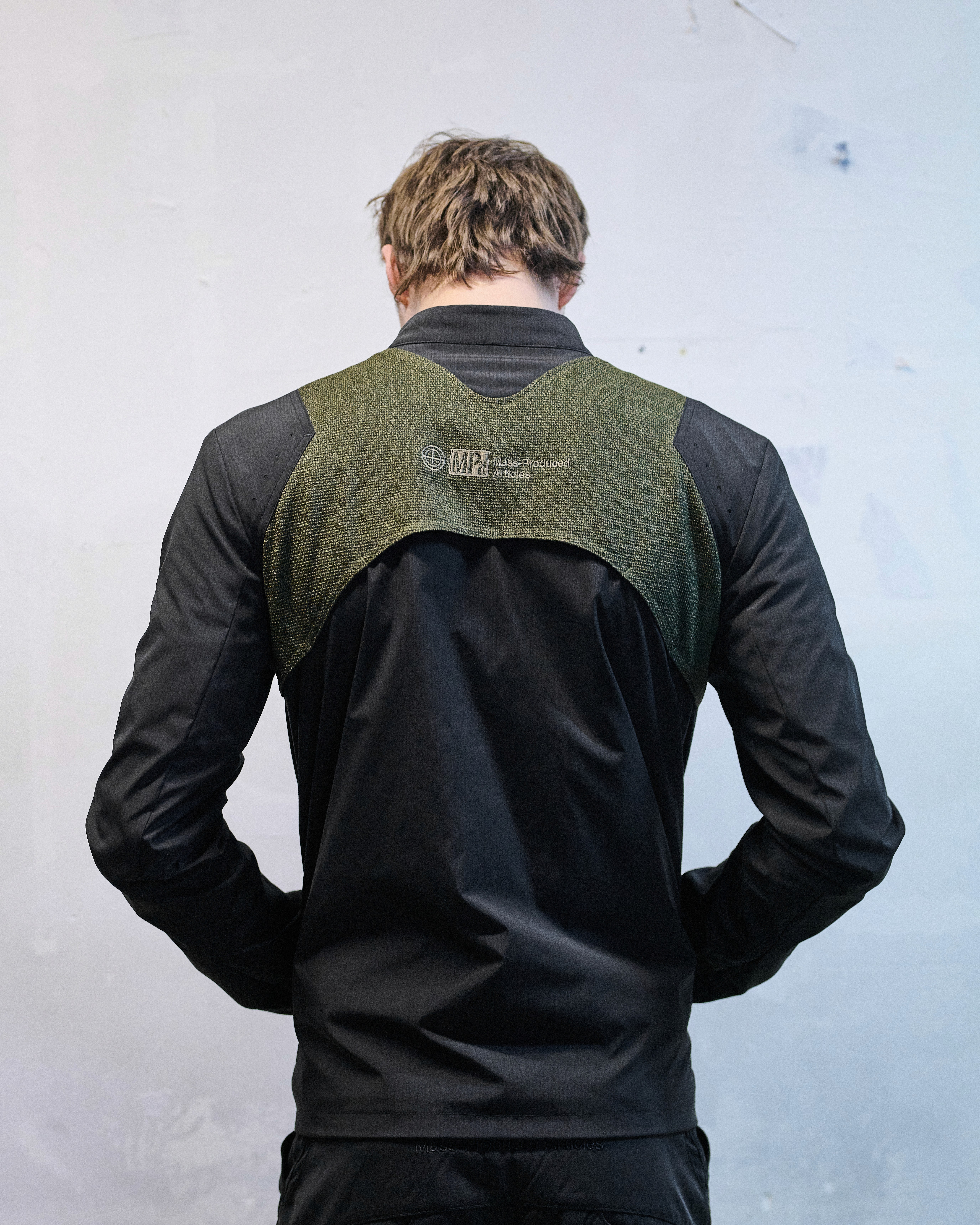
What unites Plasticproduct’s textile pieces is an aesthetic of useful collapse: garments that seem functional, but whose function is deliberately unstable, even contradictory. The Neck Pillow Jacket, for example, parodies the codes of technical clothing: its visible seams, durable materials, and "utilitarian" look, while stripping them of their original meaning. "It is an object that fails by design", Seo explains. "But that failure is precisely what makes it interesting: it creates a tension between expectation and reality, and it is in that tension that a new form of utility emerges."
This approach echoes the reflections of philosopher Byung-Chul Han, who sees in contemporary society a "fatigue of positivity": we are exhausted not by lack, but by an excess of information, choices, and demands. In response, Plasticproduct proposes garments that resist hyper-functionality, that introduce play, ambiguity, even frustration. "A garment does not need to be perfect to be useful", Seo asserts. "Sometimes, it is enough for it to remind us that we are human: imperfect, slow, and deeply in need of pauses."
Textiles as a language of passive resistance
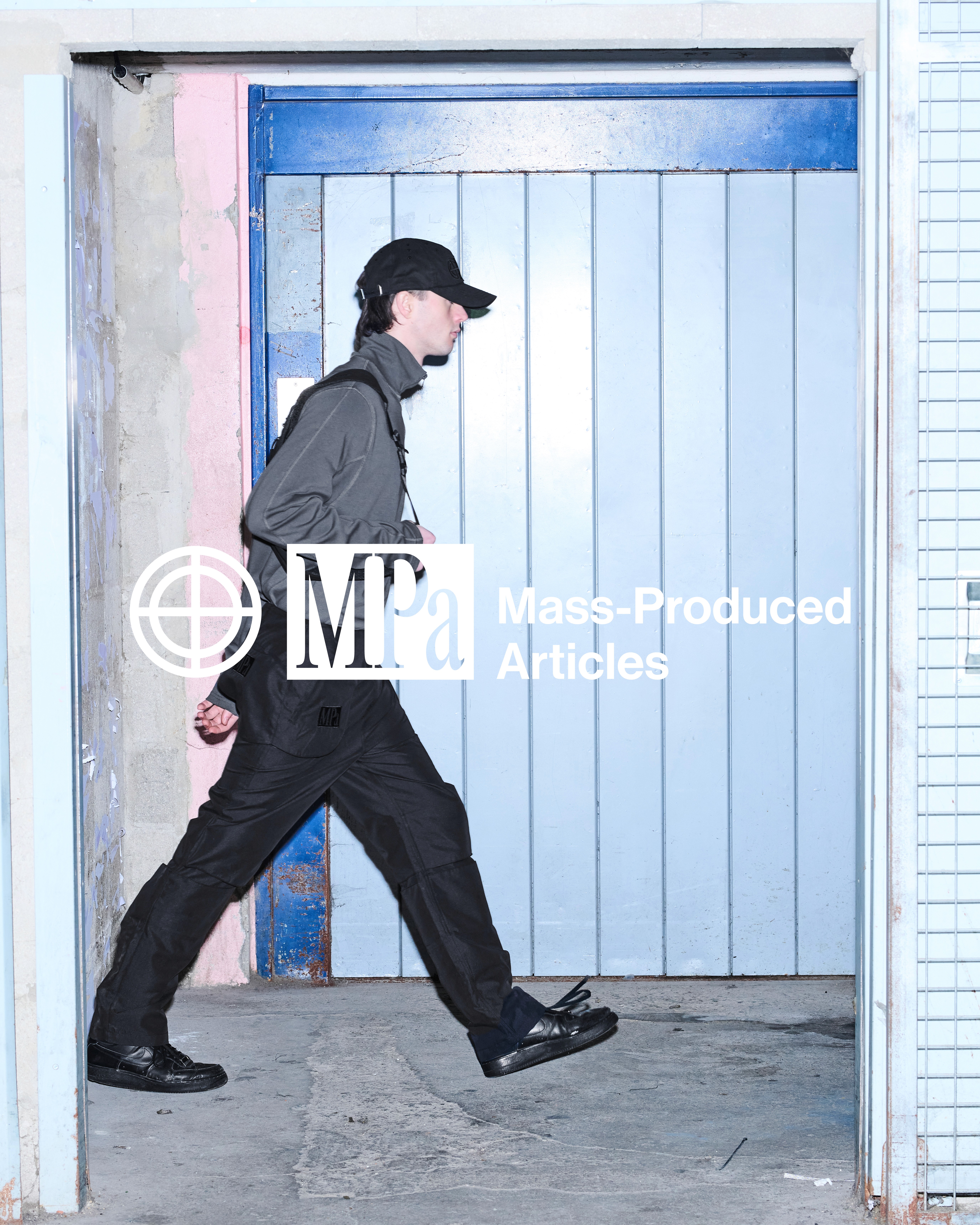
Ultimately, Plasticproduct does not seek to revolutionize textiles, but to reveal their hidden potential. Its garments act as triggers for awareness: a jacket that invites you to sit down, a detail that forces you to slow down, a material that recalls the body’s vulnerability. "We do not offer solutions, but questions," Seo sums up.
In a world where fashion is often reduced to its immediate utility or superficial aesthetics, Plasticproduct reminds us of a simple truth: the most useful garments are not always those that serve a purpose. Sometimes, they simply serve to remind us that we are sensitive beings, in need of pauses, slowness, and moments when function is no longer a constraint, but an invitation to breathe.
"And sometimes, asking the right question is more useful than answering it.".