Written by
Baptiste Doisneau
When the outdoors comes indoors: the art of living with outdoor furniture
Our interiors have never been so close to nature, and yet we have never desired more to bring its essence into them. Furniture designed for adventure and the great outdoors is now finding its place within our walls, transforming our homes into refuges that are both robust and refined.
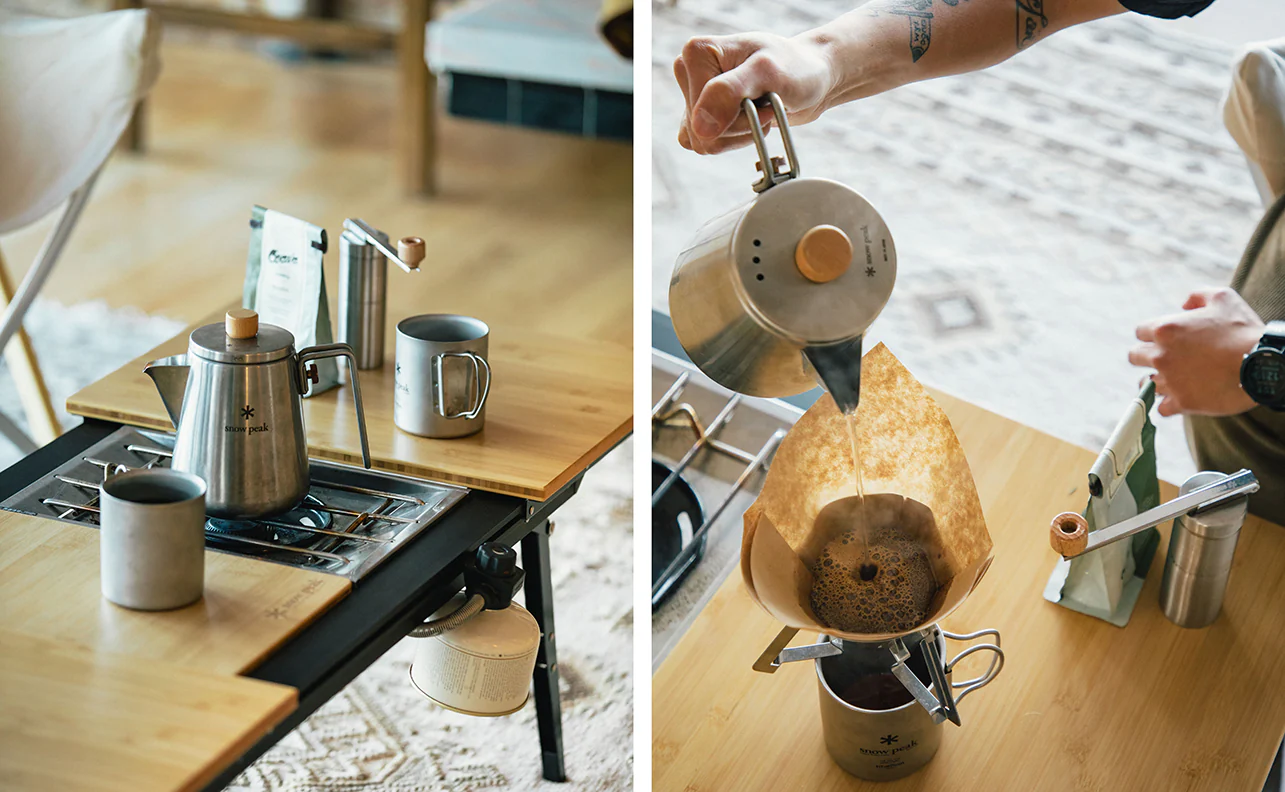
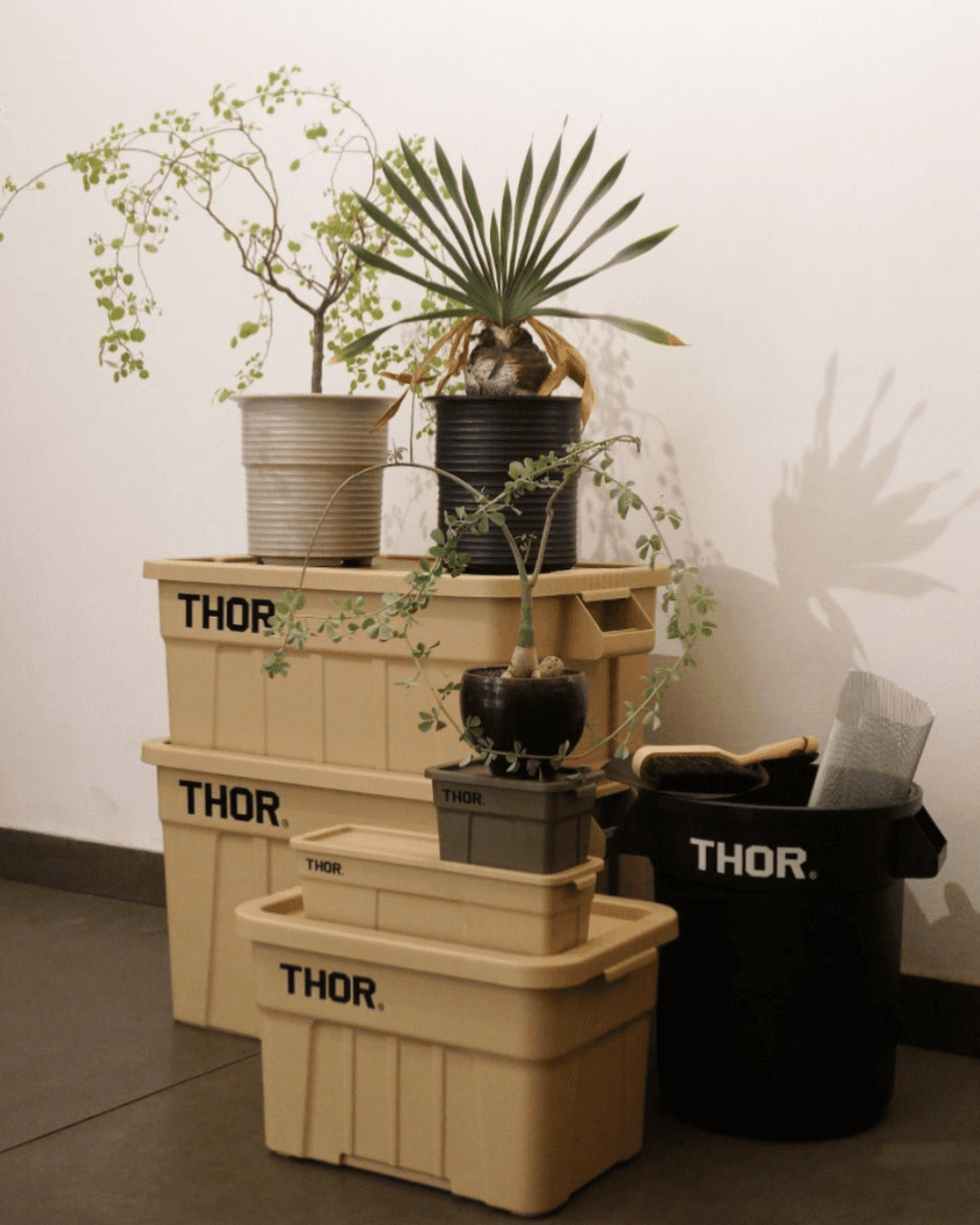
The integration of outdoor furniture into our interiors is no longer a passing fad, but a major trend, driven by brands like Snow Peak, Helinox, Yeti, Primus and Thor, which have managed to elevate outdoor design to the level of an art of living. This movement responds to a broader quest: that of a home where authenticity, durability and aesthetics meet. Consumers, tired of ephemeral and standardized interiors, are now looking for pieces that tell a story, stand the test of time and adapt to all spaces, whether under the stars or within four walls.

Source :
@yeti
Source :
@thor_taiwan_official
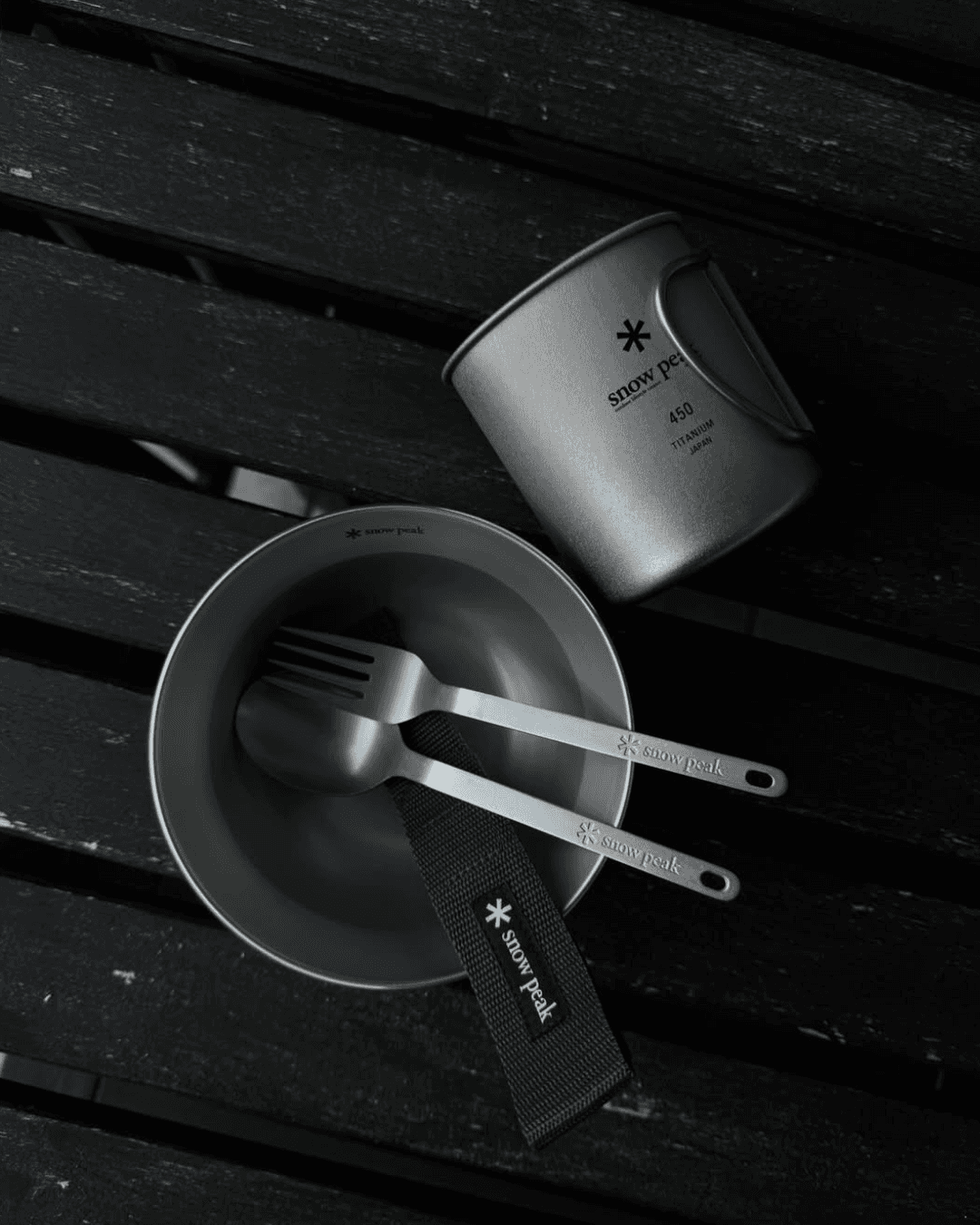
Why such success? First, because these objects, designed to withstand the elements, combine unfailing durability with understated elegance. An aluminum stool from Snow Peak, a Primus oil lamp, or a Japanese cast-iron pot are not simple accessories: they are investments, pieces that will age gracefully and, above all, will never go out of style. Their clean design, inspired by decades of artisanal know-how, fits naturally into contemporary interiors, whether minimalist, industrial, or bohemian. Their range of materials: titanium, stainless steel, treated wood, synthetic rattan, adds an organic, warm touch, far from the cold plastics and overly smooth finishes that dominated previous decades.
Then, this trend reflects growing environmental awareness. In a world where planned obsolescence is the norm, outdoor brands are betting on longevity. Their products are designed to be repaired, recycled, passed down. A teak table from Snow Peak, for example, can span generations without losing any of its splendor, while a Primus lamp, with its simple, robust mechanism, will still be working fifty years from now. This philosophy appeals to a clientele increasingly concerned about reducing its environmental footprint, without sacrificing style or comfort.
Source :
@matosurinternet
Source :
@matosurinternet
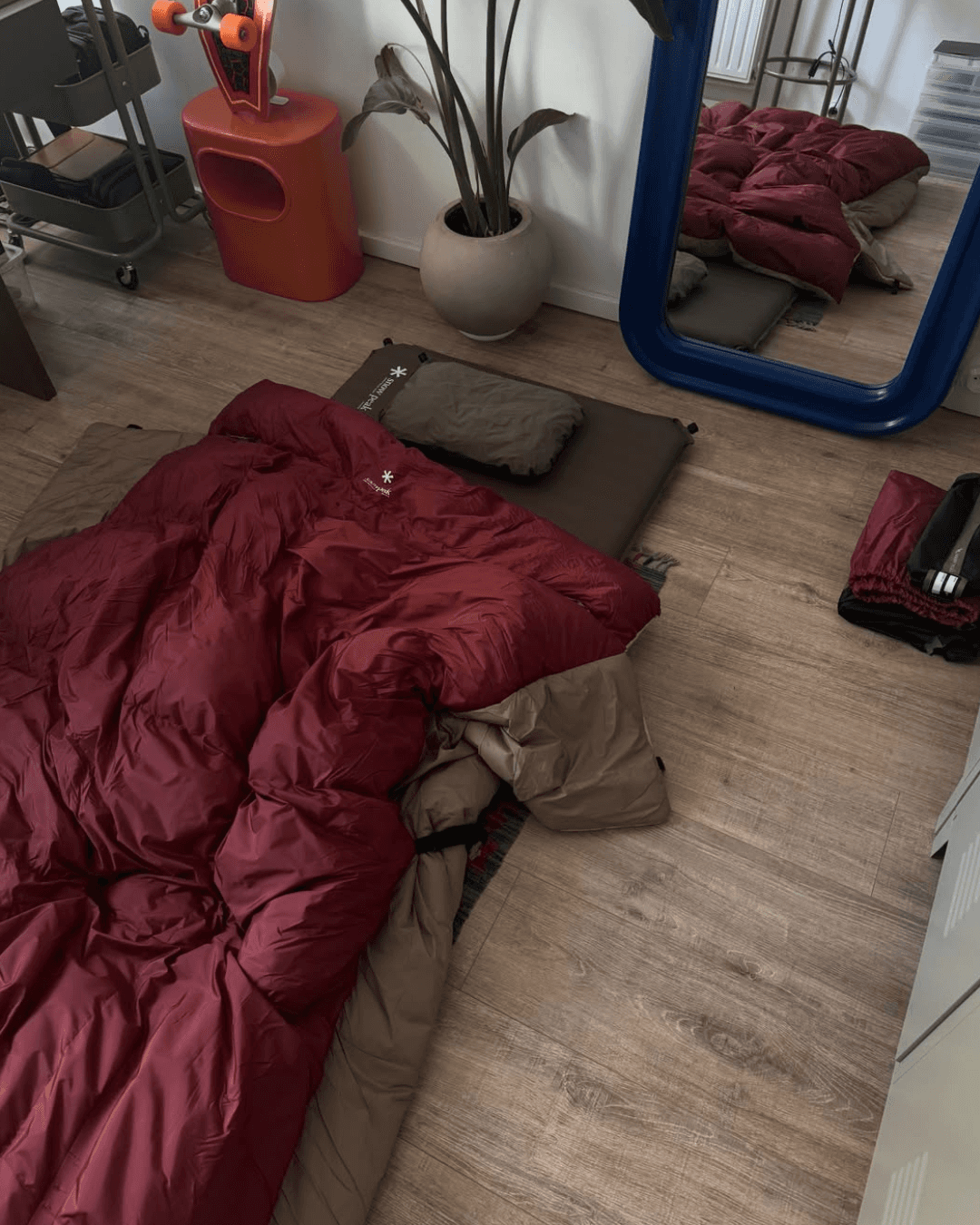
But beyond durability, it is also a matter of atmosphere. Today's interiors seek to recreate that feeling of well-being that one experiences in the great outdoors: soothing, simple, unadorned. Earthy tones, raw textures, and the organic shapes of outdoor furniture bring that much sought-after touch of "nature cocooning". A rattan chair in a living room, an aluminum table in an open kitchen, or even a simple enameled steel lantern on a shelf are enough to create an atmosphere that is both refined and relaxed. These pieces do not shout for attention, but they catch the eye through their authenticity and obvious functionality.
The integration of these objects into our homes does not happen by chance. It requires a certain intention, a desire to create fluid spaces where indoors and outdoors become one. Verandas, kitchens opening onto the garden, or living rooms bathed in natural light are ideal playgrounds for this trend. But even in smaller spaces, like a small city apartment, a folding stool or a metal shelf can bring that touch of originality and practicality that makes all the difference.
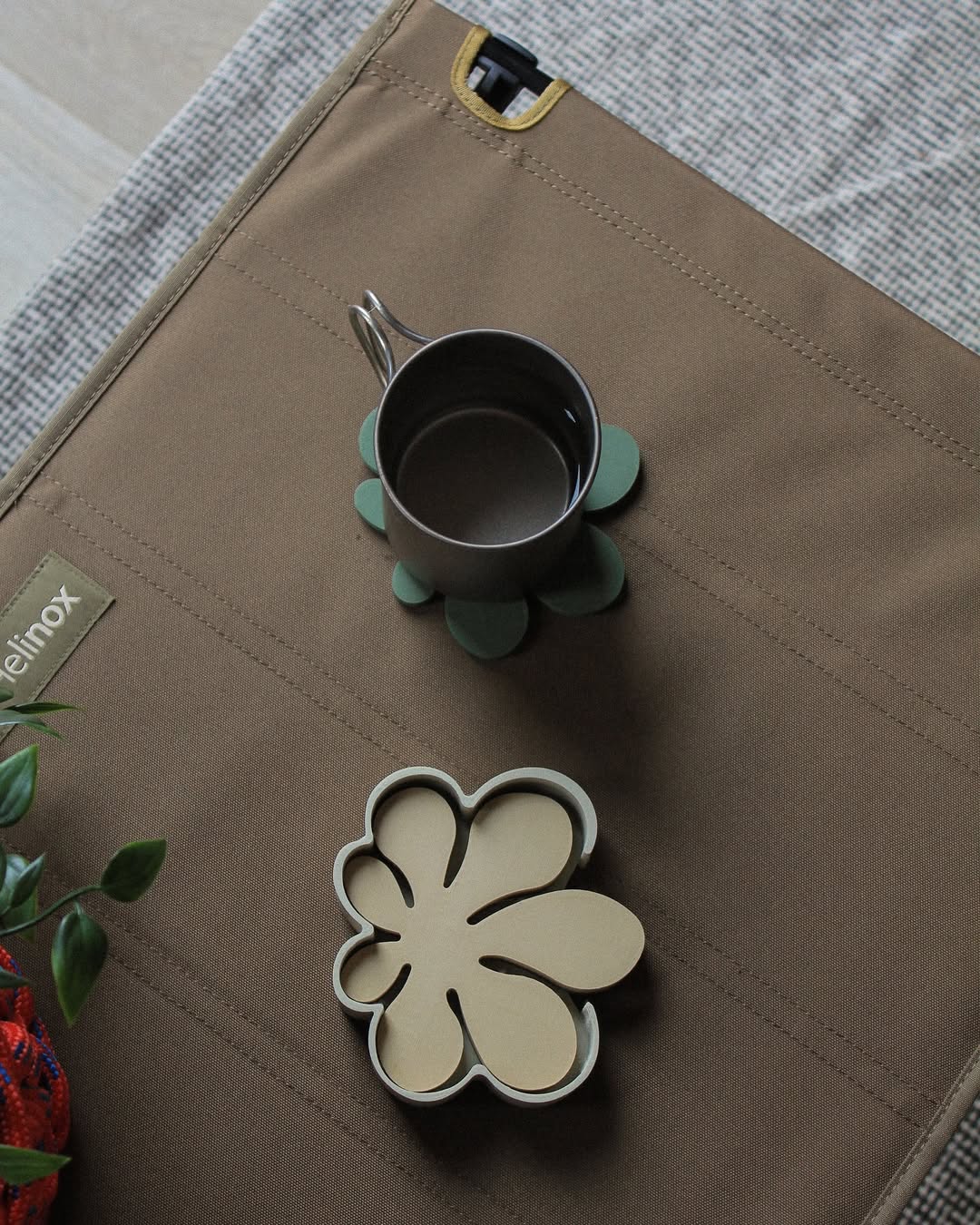
Source :
@twotenprints
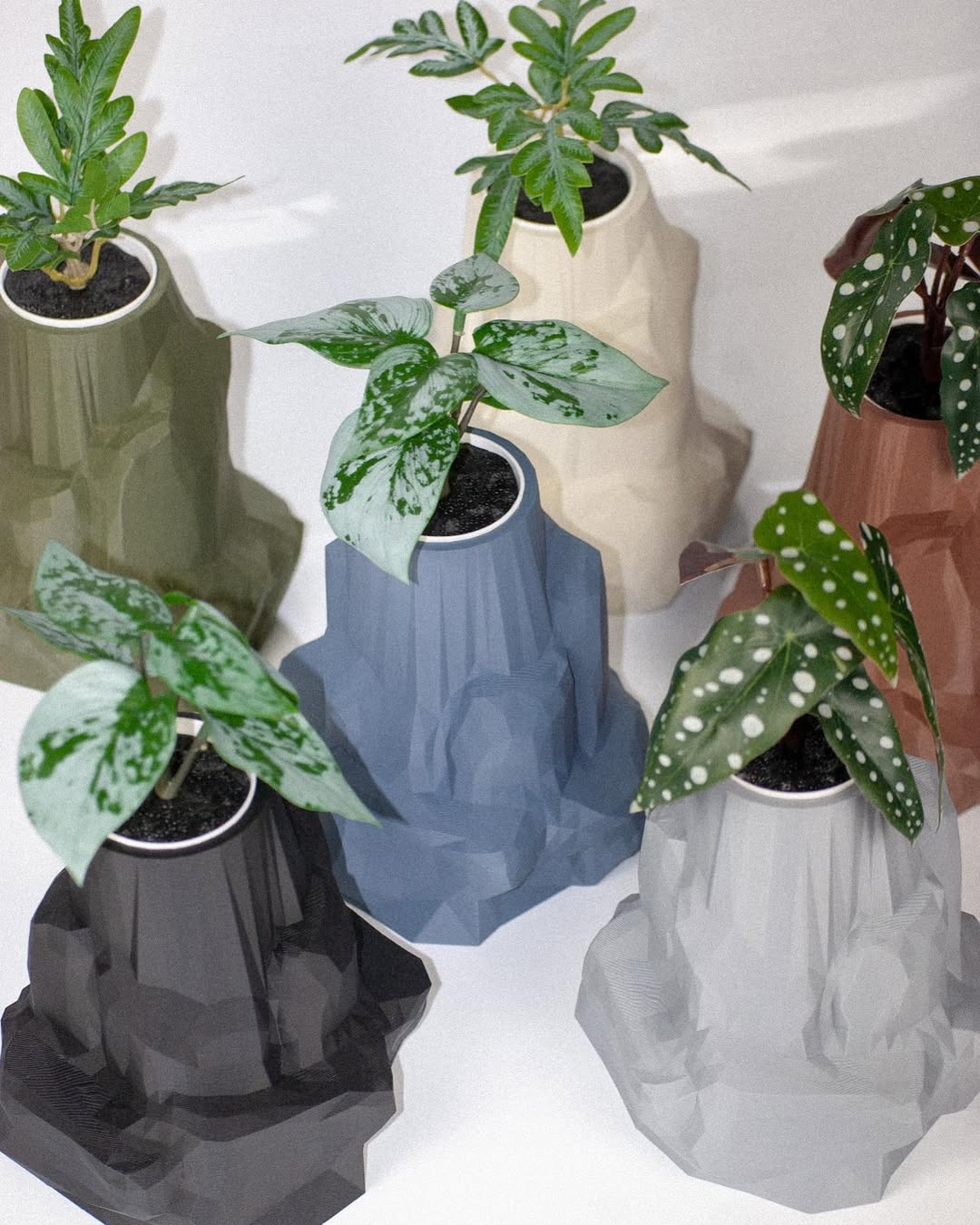
Source :
@twotenprints
Finally, this trend is part of a broader movement: that of "slow living". In a society where everything moves too fast, where trends follow one another at a frantic pace, consumers aspire to slow down, to surround themselves with objects that have meaning. Outdoor furniture and accessories, with their artisanal heritage and their purpose of lasting, perfectly embody this philosophy. They remind us that beauty and usefulness are not incompatible, and that sometimes the best ideas come from unexpected places, like a camping stove transformed into the centerpiece of a designer kitchen.
In short, integrating outdoor furniture into your interior is much more than following a trend: it means adopting a new way of living, where each object has a reason to exist, where durability takes precedence over the ephemeral, and where aesthetics blend harmoniously with functionality.
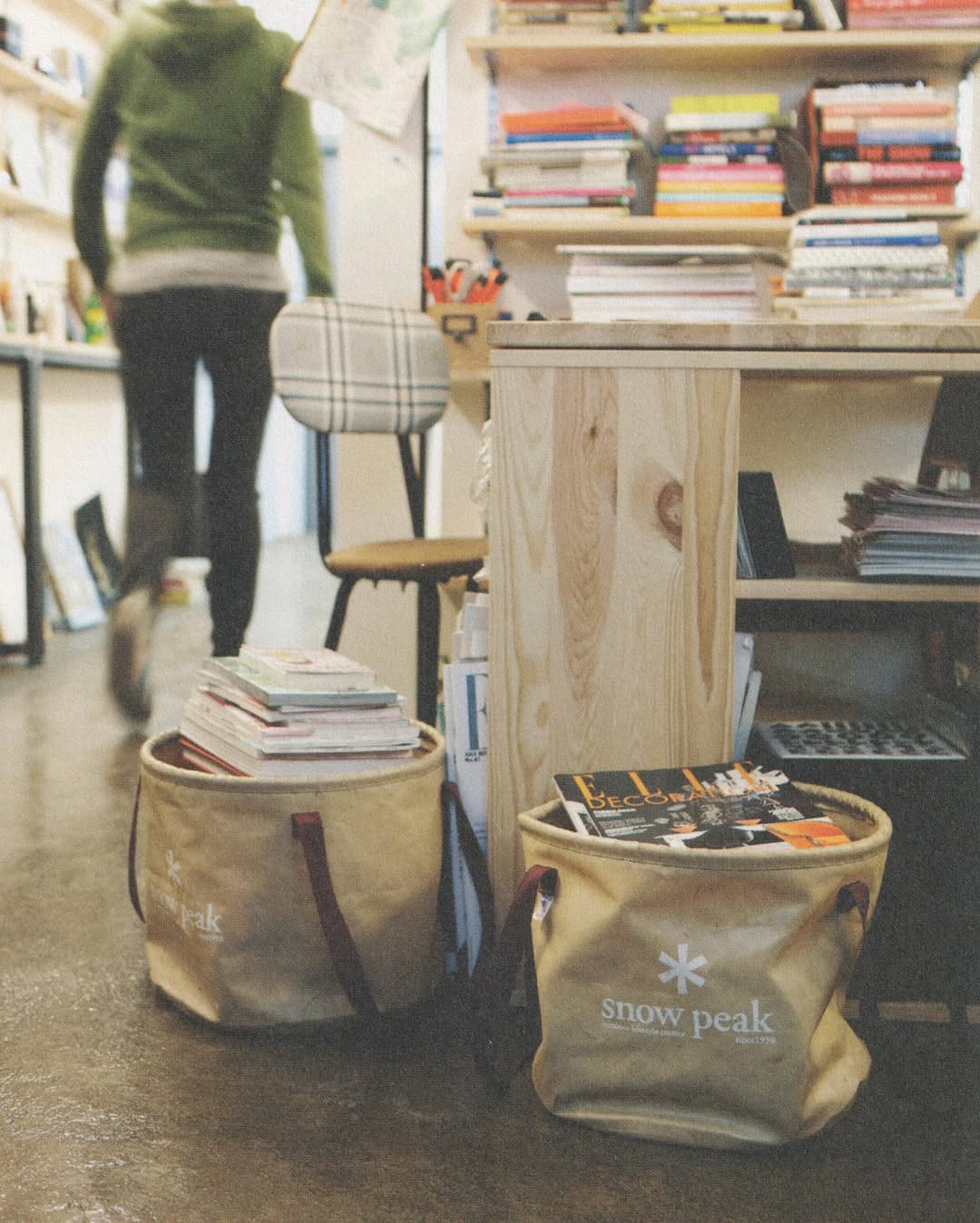
Source :
@snowpeak_official
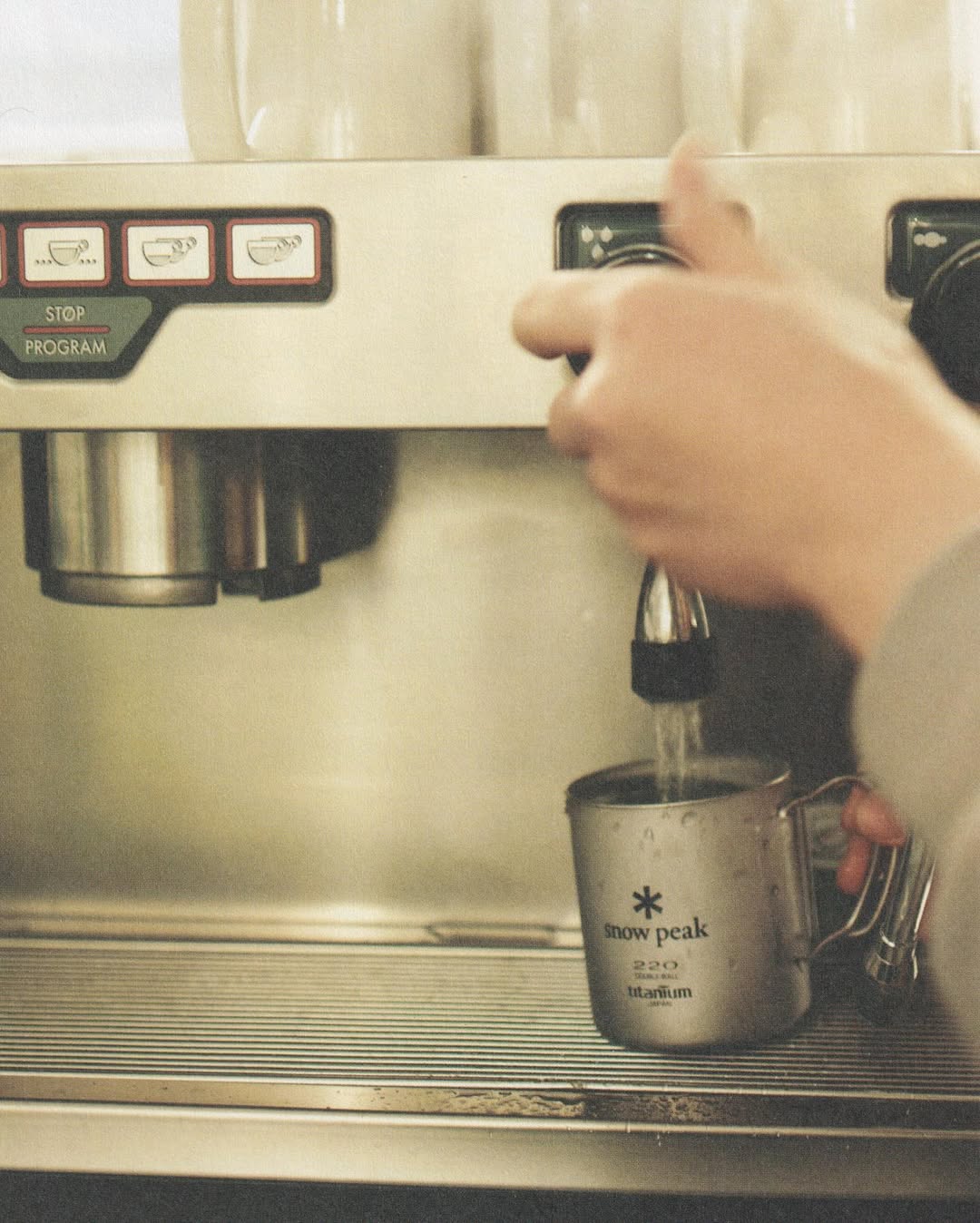
Source :
@snowpeak_official